
by Tasha Shayne
Living Holism
https://www.livingholism.com/
(If you need help getting back on track with your health through whole-food nutrition, you can book a virtual session with me at livingholism.com).
Most of us tend to feed the immune system the nutrients it needs reactively — but let’s be real… that’s not often enough.
We wait until we already feel run down, or a cold starts coming on, and then we figure we ought to load up on vitamin C, get a good night of sleep, and cross our fingers.
While we absolutely should give our bodies extra support when they need it, immune health is not built overnight — and what we’re really doing is depending on the defenses we already have to fight off illness and hoping we can encourage them to spring into action with a little extra care.

So the question really is, how do we keep our defenses strong all of the time? Because, after all, the immune system does far more than just fight off colds. Every day, it responds to bacteria, viruses, free radicals, environmental stressors, inflammatory foods, toxic substances, and all the other things the body has to navigate in modern life.
As a whole food nutritionist, I always default to whole food ingredients to rebuild and support bodily systems — and here are the three ingredients I rely on to strengthen my own immune system all-year round:
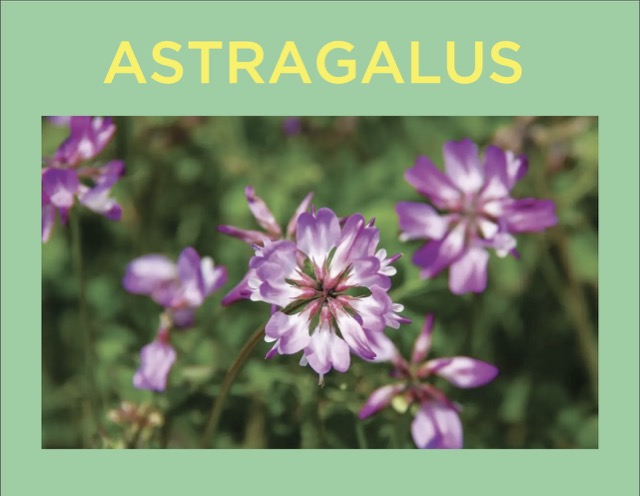
Astragalus Root
Astragalus root has a long history of use in Chinese medicine and has traditionally been associated with longevity, resilience, and immune strength.
Modern research suggests astragalus may support immune function by helping the body defend against bacteria and viruses, as well as by supporting white blood cell activity.
Astragalus is also known for its anti-inflammatory and healthy-aging support, which makes it especially relevant for helping the body cope with physical effects of stress, fatigue, cellular damage, and environmental toxins.
Maitake Mushroom
While the Western world has only recently lauded Maitake mushroom for its immune strengthening effects, Chinese and Japanese medicine have relied upon its restorative effects for thousands of years.
As it turns out, Maitake is rich in polysaccharides, including beta-glucans — compounds that help support immune activity. Among the beta-glucans is a highly potent form known as “D-fraction,” which has been studied for its ability to stimulate immune activity and support the production of important immune-signaling proteins, including interleukins and lymphokines.
These signaling proteins help immune cells communicate with each other, enabling them to better coordinate when to respond to threats, how strongly to respond, where to send resources, and when to stop attacking.
Maitake also supports overall cellular immunity, which is the immune system’s ability to protect the body at the cellular level.
Maitake Mushroom and the Gut-Immune Connection
In addition to D-fraction, Maitake contains polysaccharides that act as prebiotics, meaning they help feed beneficial bacteria in the gut.
Because a huge amount of immune activity is located in or around the digestive tract, the gut and immune system are deeply connected — and the gut microbiome plays an important role in immune regulation.
Thus, when the gut is inflamed, depleted, or out of balance, the immune system also suffers.
Maitake is capable of aiding in digestion, microbial diversity, inflammation, nutrient absorption, and the internal environment of the body.
Green Tea: Antioxidant Protection and Immune Response
EGCG (short for epigallocatechin gallate), the most abundant catechin in green tea leaves, acts as a potent antioxidant — a crucial compound that fights off free radicals and inflammation.
As such, EGCG helps protect immune cells from damage and supports a healthy inflammatory response. It also influences immune signaling, including cytokines, which are molecules the immune system uses to coordinate its responses.
Green tea also contains L-theanine, an amino acid that breaks down into ethylamine, a compound that appears to act like a familiar signal to certain immune cells. This helps cells respond more efficiently when they encounter bacterial threats. In that sense, green tea may help “train” certain immune cells to respond more quickly and appropriately.
So green tea supports the immune system through antioxidant protection, inflammatory balance, immune signaling, and immune cell readiness.
Green Tea and the Gut
Green tea also supports immune health through the gut.
As with D-fraction, green tea polyphenols influence which bacterial species thrive in the digestive tract. They can help favor more anti-inflammatory bacterial populations while discouraging more inflammatory ones.
Why Whole-Food Immune Support Matters
Unfortunately, taking isolated or synthetic nutrients to boost your immune system can backfire — as lab-made or extracted nutrients, the body has a tough time recognizing and using them.
In nature, nutrients come in complexes that include minerals, antioxidants, flavonoids, enzymes, fiber, cofactors, and other plant compounds that work together in the body.
The one product line I rely on for 100% whole-food supplements is NutriPlex Formulas.
Their Immune Support product contains strictly whole-food ingredients, including organic astragalus, maitake mushroom extract, and green tea leaf.
This formula is designed to support the immune system and the body’s natural defense system. The ingredients help feed the biological functions involved in immune health, rather than relying on one isolated nutrient.
For more information on Immune Support, visit NutriPlex Formulas’ website by clicking here.
And if you need help getting back on track with your health through whole-food nutrition, you can book a virtual session with me at livingholism.com.